
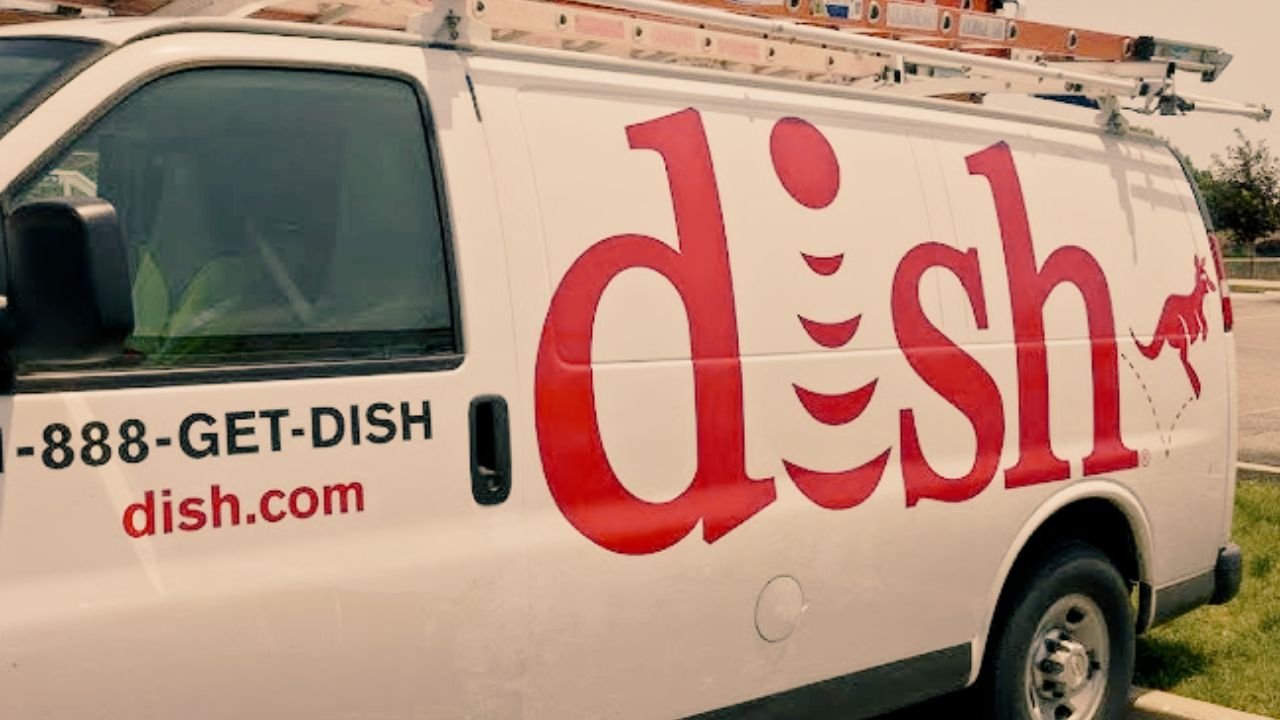
In late June 2026, Dish DBS filed for Chapter 11 bankruptcy protection in federal court in Houston. For millions of Dish TV and Sling TV subscribers, employees, and investors, the immediate question was simple: is Dish shutting down?
The short answer is no — at least not right now. But the full picture is more complicated. This article breaks down what the filing actually means, how Dish got here, and what customers, employees, and investors should realistically expect.
Dish Filed for Bankruptcy — But That Is Not the Same as Shutting Down
There is a big difference between a Chapter 11 bankruptcy and a company closing its doors. Chapter 11 is a reorganization process. The company keeps operating while it works with creditors to restructure its debts. It does not mean the business is liquidating or disappearing overnight.
Think of it like this: imagine someone who keeps their job and their house but works out a new payment plan with their lenders instead of losing everything. That is essentially what Chapter 11 allows a business to do.
Dish has publicly stated it plans to emerge from Chapter 11 by the end of Q3 2026. During that process, Dish TV and Sling TV are continuing to operate. Subscribers should not see immediate service interruptions.
One more important clarification: EchoStar, the parent company of Dish, is not bankrupt. The filing applies specifically to Dish DBS — the satellite TV and wireless subsidiary. EchoStar remains intact and is managing the restructuring process.
Dish Network, Dish DBS, and EchoStar — Why the Corporate Structure Matters
A lot of the confusion around this story comes from the overlapping company names. Here is how they fit together.
DISH Network LLC is the brand most consumers know — the satellite TV and IPTV service. It is a wholly owned subsidiary of EchoStar Corporation, the parent company.
Dish DBS is the specific subsidiary that filed for Chapter 11. It covers the satellite TV and wireless operations. That is the entity subject to the court proceedings, not EchoStar as a whole.
Sling TV also operates under the Dish umbrella and is continuing to function during the bankruptcy process.
This distinction matters practically. Not all of EchoStar’s assets, debts, or operations are inside the bankruptcy. Only what falls under Dish DBS is subject to the court’s oversight. That is why the parent company can still function and why services have not been cut off.
How a $30 Billion Debt Load and a Failed 5G Bet Led Here
Dish’s path to bankruptcy did not happen suddenly. It was the result of years of aggressive spending on a strategy that never paid off, combined with a core business that was quietly falling apart.
The 5G Gamble
Dish made a major bet on building a national 5G wireless network. To do that, it acquired large amounts of wireless spectrum and committed to strict build-out deadlines set by the FCC. This required enormous capital investment.
The problem: the wireless business never generated the subscriber growth or revenue needed to justify the cost. Dish ended up with roughly $30 billion in debt and a wireless operation that could not sustain itself.
A planned sale of approximately $23 billion worth of 5G spectrum to AT&T ran into delays, putting serious pressure on Dish’s cash flow. That delay was a significant factor in pushing the company toward Chapter 11. The restructuring plan is largely designed to wind down the wireless operations and complete that spectrum sale. A bid deadline for certain wireless assets was set for August 10, 2026.
The Satellite TV Business Was Already Eroding
While Dish was pouring money into 5G, its core satellite TV business was losing customers at a steady rate. At its peak, Dish had around 13.7 million subscribers. By mid-2025, that number had dropped to roughly 8.07 million — about 6.08 million satellite TV customers and approximately 2 million Sling TV users.
That is a loss of more than 40% of its subscriber base. For context, losing that many customers is like a retailer watching nearly half its stores go empty while fixed costs stay the same.
In Q4 2024 alone, Dish lost over 250,000 subscribers, ending the year nearly one million short of 2023 figures. The decline was driven by cord-cutting and the continued shift toward streaming platforms.
Financially, the numbers reflected the pressure. In one quarter, Dish posted a loss of $139 million alongside a 9.5% year-over-year revenue decline, bringing quarterly revenue down to $3.7 billion. In Q1 2025, Dish reported a net loss of approximately $107 million with revenue falling roughly 8 to 9%. The stock had dropped to around $5 per share by mid-2025.
Before the bankruptcy filing, the company also laid off more than 500 workers and terminated several senior executives, including the executive vice president overseeing video services. These were signs that restructuring was already underway internally.
What Dish Customers Should Actually Expect Right Now
If you are a Dish TV or Sling TV subscriber, the practical answer is: your service should keep working normally in the short term.
Under Chapter 11, companies are expected to honor their customer contracts and maintain operations. Your channels, billing, and account access should continue as usual. There is no announcement that either service will be discontinued.
That said, it would be reasonable to watch for changes over time. As Dish works through the restructuring process, things like pricing adjustments, channel lineup changes, or shifts in promotional offers are all possibilities. What is not happening right now is a sudden shutdown.
If you want to stay informed, monitor official communications from Dish directly. Do not rely on social media speculation. The company is obligated to make formal disclosures through the bankruptcy court process, and major changes to service would require proper notice.
What This Means for Employees and Investors
The picture is less reassuring for people inside the company or holding equity.
For employees, the uncertainty is real. The 500-plus layoffs and executive firings before the bankruptcy filing show that internal restructuring is already happening. Further cost reductions are possible as the company works to reduce its obligations and streamline operations.
For investors, Chapter 11 reorganizations typically prioritize creditors over shareholders. Equity holders often face dilution or, in some cases, their shares can be wiped out entirely if the restructuring plan requires it. With Dish stock already trading near $5 before the filing, investors were already pricing in serious risk. Anyone holding EchoStar or Dish-related equity should understand that creditors come first in this process.
For creditors, the pre-packaged nature of the Chapter 11 filing is a meaningful detail. A pre-packaged bankruptcy means key creditors and parties had already agreed on the broad terms before the court filing. That typically signals a faster, more organized exit from bankruptcy — which aligns with Dish’s stated goal of emerging by the end of Q3 2026.
Could Dish Be Acquired or Sold?
It is possible. Bankruptcy restructurings sometimes result in asset sales, mergers, or acquisitions rather than a company continuing as it was. The AT&T spectrum deal is already a major part of the current plan. Whether the remaining Dish TV or Sling TV operations get sold to another company, merged into a larger platform, or continue independently is not yet settled.
At AIM Business, we have covered how distressed businesses in fast-changing industries often end up absorbed by larger competitors. Dish would not be the first pay-TV operator to go through that transition.
Any acquisition or significant asset sale would need court approval and could involve regulatory review depending on the buyer. Nothing definitive has been announced beyond the spectrum arrangement with AT&T.
The Bigger Picture: Pay-TV Is Shrinking Industry-Wide
Dish’s situation is not happening in isolation. The entire traditional pay-TV industry has been shedding subscribers for years as streaming services have taken over. Dish’s specific problem is that it tried to solve that decline by reinventing itself as a wireless carrier — a far more expensive bet than most of its competitors were willing to make.
Rivals who stayed closer to their core businesses or made smaller, cheaper pivots to streaming have generally fared better. Dish took on enormous debt to compete in a completely different market, and when that market did not reward the gamble, the debt became unsustainable.
The lesson for other businesses is straightforward: a diversification strategy that requires massive borrowed capital — in a market where you have no existing competitive advantage — carries existential risk if the revenue does not come through quickly enough.
Bottom Line: Dish Is Restructuring, Not Closing
Dish DBS filed for Chapter 11 in late June 2026. The company is reorganizing, not liquidating. Dish TV and Sling TV are continuing to operate, and the company aims to exit bankruptcy by Q3 2026.
The filing was driven by a combination of unsustainable debt from the 5G wireless strategy, a delayed spectrum sale to AT&T, and years of satellite TV subscriber losses that eroded the core business.
For customers: watch for official updates, but do not expect your service to disappear tomorrow. For employees: the restructuring creates real uncertainty. For investors: creditors take priority, and equity in bankruptcy carries significant risk.
The situation is still unfolding. The outcomes depend on court proceedings, creditor negotiations, and whether the AT&T spectrum deal closes on the expected timeline.
Also Read: