
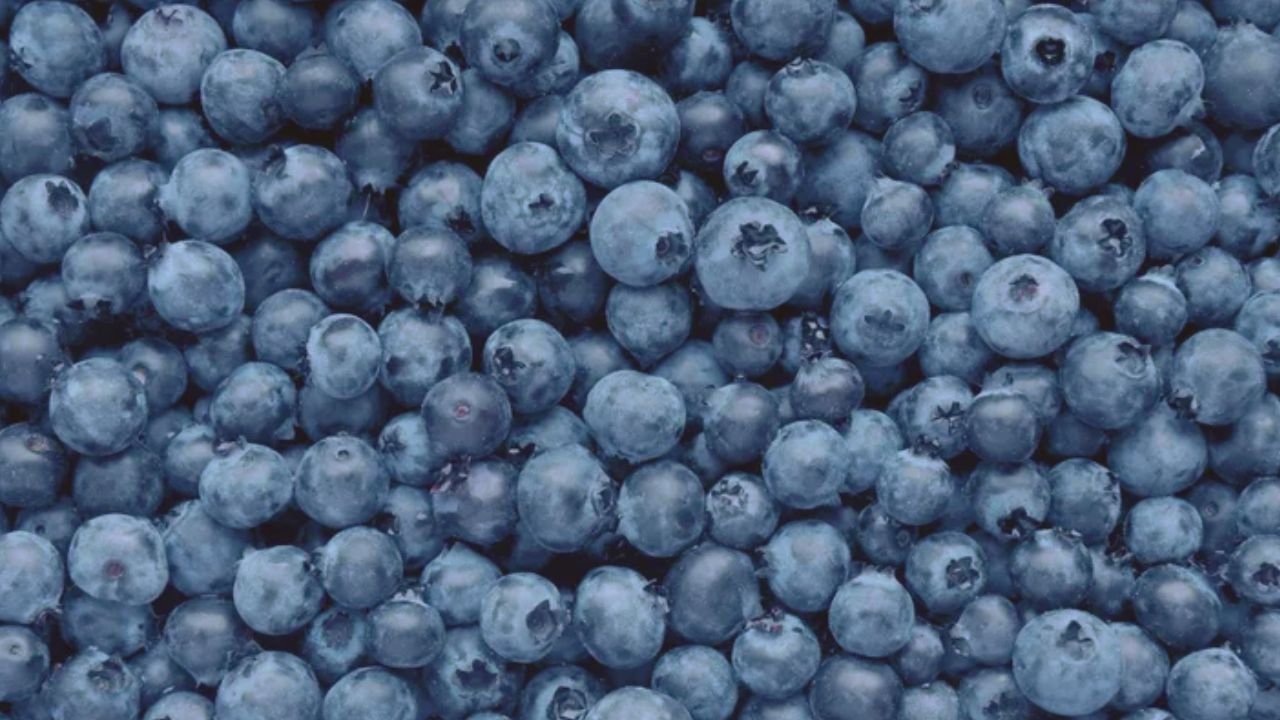
Blueberries haven’t vanished from store shelves — but they’re harder to find, more expensive, and the situation isn’t expected to improve quickly. For businesses that depend on a steady supply of blueberries, whether you’re a retailer, food manufacturer, or bakery, this is a real problem worth understanding.
This article breaks down what’s driving the current shortage, which regions are most affected, how prices are moving, and what businesses across the supply chain can realistically do about it.
What “Blueberry Shortage” Actually Means
First, let’s be clear about what a shortage actually looks like in practice. It doesn’t mean blueberries are gone. It means supply has dropped relative to demand — enough to cause tighter availability, sporadic gaps on shelves, and higher prices at both wholesale and retail levels.
Shortages also aren’t uniform. They vary by region, product type, and time of year. Fresh blueberries, frozen blueberries, wild blueberries, and cultivated highbush blueberries all face different pressures. A gap in fresh supply from Peru doesn’t automatically mean your frozen stock is affected — at least not immediately.
The most vulnerable window tends to be the spring transition period, when supply from the Southern Hemisphere slows down and Northern Hemisphere production hasn’t yet peaked. The North American Blueberry Council’s February 2026 crop forecast projects overall 2026 availability slightly below the previous year, with the tightest conditions expected during exactly that transition window.
Why Peru Matters More Than Most People Realize
The United States consumes roughly 1.3 billion pounds of blueberries per year. About one-third of that comes from Peru. That’s a significant dependency on a single country — and it creates real vulnerability when something goes wrong there.
Peru is a counter-seasonal supplier. It ships blueberries to the U.S. during the Northern Hemisphere’s off-season, filling the gap when domestic production is low. When that supply drops, there’s no easy replacement sitting on the sidelines.
That’s exactly what happened when El Niño weather conditions hit Peru’s harvest. In one measured week, Peruvian shipments to the U.S. were roughly half of what they were the same week a year earlier. Over the prior month, supply dropped by as much as 70%.
The result was predictable but still striking. U.S. retail prices surged about 60% since September, pushing blueberry prices close to $6 per pound. Costs rose by around $2 per container. And roughly 27 million fewer pounds were sold compared to the year before — a clear sign that consumers were either switching to other fruit or skipping the purchase entirely.
This is a textbook example of what happens when a supply chain is heavily concentrated in one region. One bad harvest, one weather event, and prices spike sharply across an entire market.
Maine’s Wild Blueberry Crop Has Its Own Problem
Wild blueberries are a separate story, and they affect a different set of businesses. Maine produces nearly all of the U.S. wild blueberry supply — it’s a concentrated, niche market with very little geographic backup.
As of early March 2026, most of Maine is experiencing moderate to severe drought, with some coastal counties in extreme drought conditions according to U.S. Drought Monitor data. That’s a serious problem for wild blueberry plants, which are highly sensitive to water stress.
Here’s the agronomic issue: severe drought and heat reduce flower budding on wild blueberry plants. Fewer flowers means fewer berries per plant, and smaller berry sizes overall. The 2025 harvest was already below average. The 2026 crop is expected to be constrained again.
The businesses most exposed to this are specialty frozen fruit processors, jam and preserve brands, bakeries, and any company that specifically markets “Maine wild blueberries” as part of their product identity. That last group faces a particularly difficult decision: wild blueberries and cultivated highbush blueberries are not interchangeable. A brand built around wild blueberry identity can’t quietly swap in cultivated fruit without changing what the product actually is — and what customers expect from it.
The Broader 2026 Supply Picture
Peru and Maine are the most visible pressure points, but they’re not the only ones. Early 2026 data points to yield reductions of 12 to 28% across multiple major producing areas, including the Pacific Northwest, Chile, Spain, and parts of Eastern Europe.
Weather is the main culprit. Temperature swings of up to 15°C within 48 hours have damaged flowering in some regions. Unseasonal cold snaps in March hit early-bloom varieties particularly hard. On top of that, fungal infections like botrytis are up about 22%, driven by higher humidity and erratic conditions — adding losses and treatment costs that growers weren’t budgeting for.
Labor is another pressure point that gets less attention. Farm labor availability across OECD countries is down roughly 9%, which limits how much fruit can actually be harvested even when crops are in reasonable shape. Input costs — fertilizer, energy — are running about 14% higher than 2024 averages, which squeezes grower margins and eventually pushes prices up the chain.
The price data reflects all of this. European wholesale prices are reportedly up about 17% year-over-year as of April 2026. U.S. retail prices at major chains are up around 12%. Both numbers are moving in the same direction, and neither is likely to reverse quickly.
What This Means for Your Business
The impact varies depending on where you sit in the supply chain, but almost no one using blueberries regularly is unaffected.
Retailers
Grocery stores that typically stock Peruvian blueberries during the fall and winter are now dealing with tighter volumes and higher costs. Switching to alternative sources — Chilean supply, for example — is possible but more expensive and sometimes logistically complicated. The shelf price goes up, and at some point, customers stop buying.
Food Manufacturers
A yogurt brand or cereal company that locked in a blueberry promotion based on 2024 or 2025 pricing is now facing significantly higher ingredient costs. The options aren’t great: raise retail prices, reduce portion sizes, reformulate with less fruit, or redirect promotional spending to other flavors. None of these are easy decisions, and all of them carry customer risk.
Specialty and Wild Blueberry Brands
Companies built around wild blueberry products — jams, frozen fruit, baked goods — face a harder version of the same problem. Raw material costs are rising, availability is tightening, and the product differentiation that makes their brand valuable is also what limits their ability to substitute ingredients. Higher prices, lower volumes, or both are likely in the near term.
What Businesses Can Do
There’s no magic fix here, but there are practical steps worth considering.
- Diversify your supplier base. Relying heavily on one region — whether it’s Peru for fresh fruit or Maine for wild — increases exposure to localized shocks. Spreading sourcing across multiple geographies reduces that risk.
- Contract earlier and more deliberately. Forward contracts won’t eliminate price increases, but they can reduce the impact of sudden spikes and give you more predictability for pricing and production planning.
- Think in both fresh and frozen. Fresh markets feel shortages most immediately. Frozen inventories can act as a buffer — though multi-year crop issues will eventually affect frozen supply too.
- Plan for quality scarcity, not just volume scarcity. Industry commentary suggests high-quality fruit is becoming especially scarce relative to growing demand for premium products. Securing quality supply may require paying a premium or building closer relationships with growers.
For ongoing coverage of supply chain challenges and business strategy, AIM Business tracks these kinds of issues across multiple industries.
Is This the New Normal?
Probably, at least in part. The current shortage isn’t caused by one bad year or one weather event — it’s the result of multiple compounding pressures: climate volatility, labor constraints, rising input costs, and heavy geographic concentration in key supply chains.
That combination isn’t going away. Periodic blueberry shortages are likely to continue in some form, with the timing and severity depending on growing conditions each season. What’s changing is that these disruptions are becoming more frequent and more interconnected.
The smarter move for any business that depends on blueberries is to stop treating supply disruptions as exceptions and start treating them as something to plan around. That means diversifying sourcing, building in buffer inventory, and being ready to adjust pricing or formulations when costs move — because they will.
Blueberries are still out there. But getting them reliably, at a price that works for your business, is going to take more planning than it used to.
Also Read: